Statement regarding the impermissibility of dissolving a separate Ministry of Environmental Protection and Natural Resources of Ukraine
Ukraine, sadly, is one of the most vulnerable countries in Europe to environmental threats.
We live in conditions of war which has already inflicted catastrophic damage on the environment: thousands of hectares of contaminated lands, destruction of protected areas, mined forests, polluted rivers, and ruined monitoring and control infrastructure. The risks to the lives of millions of citizens are rising.
In such a situation, the state must not diminish institutional environmental capacity, but rather strengthen it.
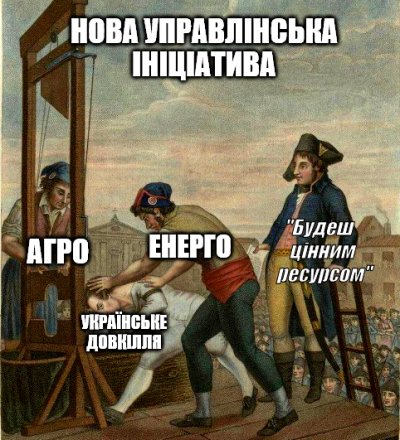
However, plans to create a ‘Ministry of Resources’, into which the Ministry of the Economy, the Ministry of Agrarian Policy, and the Ministry of Environmental Protection are to be integrated, have come to light. This intention represents an institutional catastrophe for the environment, national security, and the state's strategic course toward European integration.
The Ministry of Environmental Protection is not a ‘resource department’. It is a key state body that must be an independent regulator, a controller, and a representative of the interests of the environment and public health. Integrating this ministry into a structure that is simultaneously responsible for the economy, agricultural policy, and environmental protection implies the elimination of environmental priorities and a constant conflict of interest at the very centre of decision-making.
Why is this decision a step backwards?
1. The issue of environmental quality is an issue of national security. In conditions of war and post-war reconstruction, Ukraine must integrate environmental policy into all spheres of public administration—which is also a requirement of national and European legislation. This necessitates a strong, independent, and professional ministry with adequate institutional capacity.
2. Our country has suffered unprecedented environmental damage as a result of the war. According to the Minister of Environmental Protection and Natural Resources of Ukraine, as of 11 July 2025, over 9,000 cases of environmental destruction due to the actions of the RF have already been recorded; nearly 23% of Ukraine’s total territory remains mined, and restoration needs are estimated at almost 11 billion dollars. Such challenges demand not a reduction, but a strengthening of environmental institutions and guarantees of their sustainability.
3. Ukraine has committed to adopting and implementing EU environmental legislation. The Habitats and Birds Directives, the Water Framework Directive, industrial emissions regulations, waste management, climate change mitigation, etc.—all of these require clear environmental governance.
4. Environmental protection cannot be subordinated to bodies or structures whose priority is the development of the economy or the agricultural sector; in such a configuration, priority is in practice always given to economic expediency rather than nature conservation. As a result, environmental issues are systematically moved to the background.
At the same time, an analysis of EU legislation shows: the environmental protection system must be equivalent to the economic sector in the structure of public administration and cannot be weakened or simplified through deregulation.
5. A separate environmental ministry is called upon not only to deal with nature protection but also to act as a guarantor of the citizens’ constitutional right to a safe environment. This right, provided for in Articles 16 and 50 of the Constitution of Ukraine, cannot be abolished for the sake of “optimisation” or managerial populism.
6. Trust of international partners and donors. During the period of post-war recovery, international aid depends on the transparency, professionalism, and accountability of institutions. Merging the Ministry of Environmental Protection with other departments could undermine this trust and call into question the effectiveness of environmental policy.
7. The failed previous experience of merging the Ministry of Ecology with the Ministry of Energy, which resulted in the environmental conservation sector being set back 9 months in the implementation of environmental reforms.
Of particular concern is the prospect of considering natural resources through the prism of exclusively economic or agrarian expediency. Combining the management of such resources with economic or agrarian interests could lead to a loss of control over their preservation. In such circumstances, environmental protection issues risk yielding to the priorities of profit and production. Under these conditions, natural resources begin to be viewed as a tool for achieving economic goals, which contradicts the very essence of environmental protection.
Furthermore, the proposed approach is not consistent with the practice of European Union countries.
As of 2025, 12 of the 27 European Union countries have separate ministries responsible for environmental protection. These are Bulgaria 1, Estonia 2, Italy 3, Lithuania 4, Germany 5, Poland 6, Romania 7, Slovakia 8, Slovenia 9, Finland 10, the Czech Republic 11, and Sweden 12.
In Estonia, Poland, and Sweden, the powers of these ministries also include climate, energy, or entrepreneurship issues; however, environmental policy remains independent and a priority, without losing its weight. In these states, the combination of the environment with energy or other sectors is carried out primarily within the framework of climate policy. In this case, environmental powers are not only not reduced, but on the contrary, are integrated into other areas with the aim of “greening” them.
Another 15 countries have ministries where the environment is combined with other sectors: sustainable development, climate change, energy, spatial planning, transport, or even agriculture. At the same time, an analysis of the functions and political programmes of these bodies shows that the environmental component remains cross-cutting and a priority. This includes, in particular, Austria 13, Belgium 14, Denmark 15, Ireland 16, Spain 17, Cyprus 18, Latvia 19, Luxembourg 20, Malta 21, the Netherlands 22, Portugal 23, France 24, Croatia 25, and Greece 26.
The only EU country where the environment is combined with agriculture with a clear priority in favour of agriculture is Hungary 27.
On the basis of the above, we, the representatives of civil society, environmental organisations, the scientific community, and all concerned citizens of Ukraine, demand that the Cabinet of Ministers of Ukraine:
1. Abandon plans to abolish the Ministry of Environmental Protection and Natural Resources of Ukraine.
2. Ensure the institutional independence of the Ministry of Environmental Protection and Natural Resources of Ukraine, guaranteeing its full participation in the recovery of the state and the implementation of international obligations; and appropriately fund the participation of authorised Focal Points.
We also appeal to the President of Ukraine, as the guarantor of constitutional rights, to publicly support the preservation of a separate Ministry of Environmental Protection and Natural Resources of Ukraine as a critically important institution on Ukraine’s path to the EU and future sustainable development.
Nature has no political orientation, social status, or military rank. It is the foundation of our life. Anyone who ignores its protection jeopardises their own future, the future of their children, and that of our country.
• Olena Kravchenko, Director of the ICO “Environment – People – Law” (EPL);
• Tetyana Tymochko, Head of the All-Ukrainian NGO “All-Ukrainian Ecological League” (VEL);
• Iryna Myronova, Executive Director of the NGO “Zero Waste Lviv”;
• Oleksii Vasyliuk, Chairman of the Board of the NGO “Ukrainian Nature Conservation Group”;
• Alexander Stepanenko, Executive Director of the NGO “Environmental-Humanitarian Association Green World”;
• Iryna Fedoriv, Head of the “Holka” public initiative;
• Danylo Vankovych, Head of the NGO “Centre for Economic and Legal Analytics”;
• Sofiya Shutyak, Lawyer, Deputy Head of the Committee on Agrarian, Land, and Environmental Law of the UBA;
• Martynyuk Andriy, Executive Director of the NGO “Ecoclub”;
• Iryna Chernysh, Head of the NGO “SaveDnipro”;
• Mykola Ryabyka, Anzhelika Zozulya, Diana Popfaluši, NGO “Plato”;
• Raban Kateryna, Head of the NGO “Zero Waste Lutsk”;
• Ruslan Havryliuk, Chairman of the All-Ukrainian NGO “National Ecological Centre of Ukraine” (NECU);
• Nataliya Andrusevych, Chair of the Board, Resource and Analysis Centre “Society and Environment”;
• Valantyrets Nataliya, Tsaruk Oleh, Sankovska Iryna – NGO “Ecological Club Eremurus”;
• Oleksandra Matviychuk, Head of the Centre for Civil Liberties;
• Yuliya Bohdan, NGO “Centre for Law Enforcement Research”;
• Dmytro Dyadin, Head of the Department of Urban Environmental Engineering, Kharkiv National University of Municipal Economy;
• Anna Kuzemko, Leading Researcher at the M. G. Kholodny Institute of Botany of the National Academy of Sciences of Ukraine;
• Maryna Shkvirya, Project Coordinator of the Charity Fund “Save Wildness”;
• Yuliya Krasnova, SI “V. K. Mamutov Institute of Economic and Legal Research of the National Academy of Sciences of Ukraine”;
• Oksana Skobalo, “Roztochchya” Nature Reserve;
• Vyacheslav Bohdanov, NGO “Svytankove”;
• Yuliya Pushko, Director of the NGO “Green Growth Comms”;
• Lesya Danylyuk, Associate Professor of the Department of Labour, Environmental, and Agrarian Law, Vasyl Stefanyk Precarpathian National University;
• Ihor Skolskyy, Acting Director of the “Roztochchya” Nature Reserve;
• Olena Vlasenko, representative of the staff of the “Tuzly Lagoons” NPP;
• Roman Cherepanyn, Vasyl Stefanyk Precarpathian National University, WWF-Ukraine;
• Oleksandr Harbar, Head of the Department of Ecology and Geography, Zhytomyr Ivan Franko State University;
• Oleh Yanchevskyy, Senior Researcher at the Institute of General and Inorganic Chemistry of the National Academy of Sciences of Ukraine;
• Ivan Chyhryn, NGO “Veteran UA”;
• Lyudmyla Bakhtiarova, Head of the Department of Eco-Educational Work of the Black Sea Biosphere Reserve of the National Academy of Sciences of Ukraine;
• Vitaliy Bakhtiarov, Occupational Safety Engineer of the Black Sea Biosphere Reserve of the National Academy of Sciences of Ukraine;
• Yuriy Moskalenko, Senior Researcher of the Department of Scientific Research and Comprehensive Ecosystem Monitoring of the Black Sea Biosphere Reserve of the National Academy of Sciences of Ukraine;
• Mariya Nitochko, Researcher of the Department of Scientific Research and Comprehensive Ecosystem Monitoring of the Black Sea Biosphere Reserve of the National Academy of Sciences of Ukraine;
• Serhiy Plyushch, Junior Researcher of the Department of Scientific Research and Comprehensive Ecosystem Monitoring of the Black Sea Biosphere Reserve of the National Academy of Sciences of Ukraine;
• Viktoriya Plyushch, Leading Engineer of the Department of Eco-Educational Work of the Black Sea Biosphere Reserve of the National Academy of Sciences of Ukraine;
• Maksym Zalevskyy, NGO “Global Ecovillage Network”;
• Oksana Maryskevych, Institute of Ecology of the Carpathians of the National Academy of Sciences of Ukraine;
• Nataliya Ivanova, Researcher at the Institute of Hydrobiology of the National Academy of Sciences of Ukraine;
• Maryna Pohorelova, Researcher at the Institute of Hydrobiology of the National Academy of Sciences of Ukraine;
• Olena Pashchenko, Coordinator of the All-Ukrainian Children’s Union “Ecological Watch”;
• Kateryna Serbiina, Head of the NGO “Ethnocode” – Landscape Sanctuary of local significance “Mount Lyskivka”;
• Ivan Rusiev, Head of the NGO “Restoration of Natural Heritage”, Doctor of Biological Sciences;
• Mykhailo Mykhalko, Head of the NGO “Holosiiv Rescue Union”;
• NGO “Zhyvyi Dim Ukraine”;
• Olena Kovtun, Academy of Advocacy of Ukraine;
• Oleksandr Rozanov, Head of the NGO “Protection of Small Rivers of Ukraine”;
• Yana Bobrova, Executive Director of the CF “Peli can live”;
• Maksym Parkhomenko, “Dvorichanskyi” National Nature Park;
• Serhiy Afanasyev, President of the Hydro-Ecological Society of Ukraine;
• Oleksandr Khodosovtsev, Kherson State University;
• Mariya Horodnyk, Ecologist, “Research and Design Centre for Geourbanistics and Planning” LLC;
• Volodymyr Timoshenkov, Researcher; Valentyna Timoshenkova, Senior Researcher of the “Homilsha Forests” National Nature Park;
• Nataliya Ursatiy, Biologist, head of groups in the naturalistic department of the SI “Berezivka City Centre for Children and Youth Creativity”;
• Dmytro Skrylnykov, NGO “Bureau of Environmental Investigations”;
• Hryhoriy Davydenko, Tsarychanka district public organisation “Orel Rescue Committee”;
• Yuriy Benhus, Senior Lecturer of the Department of Botany, Kharkiv H. S. Skovoroda National Pedagogical University;
• Volodymyr Kletonkin – Head of the Scientific Research Department of the “Dvorichanskyi” National Nature Park;
• Nataliya Kendzyora, Director of the Botanical Garden of National Significance of the UNFU;
• Maksym Yakovlev, Ornithologist, Danube Biosphere Reserve of the National Academy of Sciences of Ukraine;
• Tetyana Tesolkina, PhD in Ecology, Assistant Professor of the Department of Ecology and Zoology, Taras Shevchenko National University of Kyiv;
• Mariya Smirnova, Spatial Planner and Ecologist;
• Ihor Studennikov, Executive Director of the Centre for Regional Studies;
• Vitaliy Kharchenko, Institute of Zoology;
• Vitaliy Zatenko, Director of ECG “Pechenyhy”;
• Vladyslav Balinskyy, Head of the NGO “Green Leaf”, Biologist;
• Hanna Tsvyetkova, NGO “Women’s Water Partnership Ukraine”;
• Ihor Dzeverin, I. I. Schmalhausen Institute of Zoology of the National Academy of Sciences of Ukraine;
• Iryna Vykhrystyuk, Acting Director of the “Tuzly Lagoons” NPP;
• Viktoriya Kurska, Manager of the Occupational Safety, Fire, and Environmental Safety Organisation Department of the National Bank of Ukraine;
• Tetyana Shytikova, Head of the NGO “CHYSTO.DE”;
• Mariya Belkina, NGO “Centre for Environmental Initiatives ‘Ecoaction’”;
• Senchyna Bohdanna, Faculty of Geography of the Ivan Franko National University of Lviv;
• Andriy Levkovets, Assistant MEP, European Parliament;
• Oleh Prylutskyy, Head of the Laboratory for Natural Ecosystem Monitoring of the “Askania-Nova” Biosphere Reserve of the NAAS;
• Yuliya Stepanova, “CityPro” LLC;
• Yuliya Vashenyak, Associate Professor of the Department of Botany and Ecology, Vasyl Stus Donetsk National University;
• Nataliya Vyshnevska, Head of the NGO “Save Pikuy”;
• Yevheniya Yacyshyna;
• Oleksandra Khomyshyn, student;
• Hryhoriy Popov, Institute of Zoology of the National Academy of Sciences of Ukraine;
• Halyna Huz, Luhansk Nature Reserve of the National Academy of Sciences of Ukraine;
• Andriana Baylo, Head of the NGO “Green Power”;
• Olena, Associate Professor of the Department of Ecology, National University of “Kyiv-Mohyla Academy”;
• Nina Merlenko, Acting Head of the Scientific Research Work Department of the Kivertsi NPP “Tsuman Forest”;
• Iryna Dmytrash-Vatseba, Acting Director of the Serhiy Didych Dniester RLP;
• Andriy Tareyev, MLU;
• Ivan Moysiyenko, Head of the Department of Botany, Kherson State University, NGO “Ukrainian Nature Conservation Group”;
• Yuliya Babiy, NGO “WMW ‘National Alliance’”;
• Yuliya Spinova, NGO “Ukrainian Nature Conservation Group”;
• Olena Sinna, Associate Professor of the Department of Physical Geography and Cartography, V. N. Karazin Kharkiv National University;
• Head of the NGO “Environmental GIS of Ukraine”;
• Andriy Sahaydak, Head of the NGO “ECO ‘Mizhrichynska Pushcha’”;
• Antonina Oberezhna, NGO “Small Rivers of Vinnytsia”;
• Lesya Horbnyak-Yulina, Senior Researcher of the “Podillya Tovtry” NPP;
• Alla Losiv, Head of the NGO “Eco-Rivne Region”;
• Oleksii Marushchak, Junior Researcher at the I. I. Schmalhausen Institute of Zoology of the National Academy of Sciences of Ukraine.
* * *
1 Ministry of Environment and Water of Bulgaria: https://www.moew.government.bg/en/
2 Ministry of Climate of Estonia: https://kliimaministeerium.ee/en?utm_source=chatgpt.com
3 Ministry of Ecological Transition of Italy: https://lcec.org.lb/partners/MiTE
4 Ministry of the Environment of Lithuania: https://am.lrv.lt/lt/
5 Federal Ministry for the Environment, Nature Conservation, Nuclear Safety and Consumer Protection of Germany: https://www.bundesumweltministerium.de/en/legal-information
6 Ministry of Climate and Environment of Poland: https://www.gov.pl/web/climate?utm_source=chatgpt.com
7 Ministry of Environment, Waters and Forests of Romania: https://mmediu.ro
8 Ministry of Environment of the Slovak Republic: https://minzp.sk/en/about-us/
9 Ministry of Natural Resources and Spatial Planning of Slovenia: https://surl.lu/kvwsna
10 Ministry of the Environment of Finland: https://ym.fi/en/contact-information
11 Ministry of the Environment of the Czech Republic: https://mzp.gov.cz/cz/ministerstvo/ministerstvo
12 Ministry of Climate and Enterprise of Sweden: https://surli.cc/qwymec
13 Ministry for Climate Action, Environment, Energy, Mobility, Innovation and Technology of Austria: https://www.bmimi.gv.at
14 Ministry of Climate, the Environment, Sustainable Development and the Green Deal of Belgium: https://surl.li/zaehhr
15 Ministry of the Environment and Gender Equality of Denmark: https://eng.mim.dk
16 Ministry for the Environment, Climate and Communications of Ireland: https://surl.li/mhwrls
17 Ministry for the Ecological Transition and the Demographic Challenge of Spain: https://www.miteco.gob.es/es/ministerio.html
18 Ministry of Agriculture, Rural Development and Environment of the Republic of Cyprus: https://surl.li/vutwoo
19 Ministry of Smart Administration and Regional Development of the Republic of Latvia: https://www.varam.gov.lv/en
20 Ministry of the Environment, Climate and Biodiversity of Luxembourg: https://mecb.gouvernement.lu/en.html
21 Ministry for the Environment, Energy and Regeneration of Malta: https://sustainability.gov.mt
22 Ministry of Infrastructure and Water Management of the Netherlands: https://surl.lu/irtmnn
23 Ministry of the Environment and Climate Action of Portugal: https://surli.cc/agkxrn
24 Ministry for the Ecological Transition of France: https://www.ecologie.gouv.fr/en
25 Ministry of Economy and Sustainable Development of the Republic of Croatia: https://gov.hr/en/environmental-protection/386
26 Ministry of Environment and Energy of Greece: https://surli.cc/dvvywa
27 Ministry of Agriculture of Hungary: https://kormany.hu/agrarminiszterium